
- India explores Middle East and Asian markets to counter EU carbon tax impact.
- EU Carbon Border Adjustment Mechanism increases costs for carbon intensive Indian steel exports.
- Government and industry seek diversification, trade deals, and cleaner production technologies.
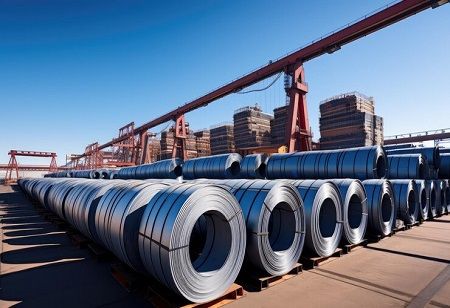
According to government sources India is pursuing new export opportunities for its steel products which it wants to bring to Middle Eastern and Asian markets to reduce the effects of the European Union's new carbon tax on imports.
The European Union established its Carbon Border Adjustment Mechanism (CBAM) in January 2026 which requires extra charges for imported products that include steel based on their total carbon emissions.
The policy has created direct impacts on Indian steel exporters because approximately 66 percent of India steel exports historically went to Europe which serves as an important but currently difficult market for exports.
The carbon levy increases export expenses for Indian steel which depends on carbon-heavy blast furnace operations thus making Indian steel less competitive in EU markets.
According to industry officials and trade analysts, India has changed its export approach because it seeks to establish trade pacts and access markets of countries that require construction materials, particularly in the Middle East and GCC countries and Asian nations with fast-growing industrial development.
Also read: Uzbekistan, Germany Deepen Green Energy Partnership
Steel Secretary Sandeep Poundrik reported that the government currently holds talks to establish agreements with Middle Eastern nations which have ongoing major construction projects and with different Asian countries.
The new markets provide India with alternative export options which will enable them to maintain their steel exports despite the EU carbon levy restrictions, thus enabling their steel industry to continue growing.
Indian steelmakers request government assistance to improve their competitive position through financial help and production efficiency support.
The company is investigating methods to achieve dual goals of increasing raw material, supply sources and maintaining environmentally friendly production practices. India needs to expand its export operations into novel markets while developing its response to changing global carbon regulations in order to sustain its position as a major steel exporter during international market changes.