
China and the US agree to tariff cuts on $30 billion of non-sensitive goods in each direction and launch an AI dialogue, with further trade and technology discussions planned.
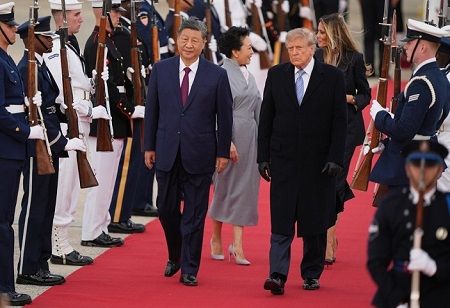
China and the United States have agreed on tariff reductions covering $30 billion of non-sensitive goods in each direction and decided to establish a dialogue on artificial intelligence following Chinese President Xi Jinping’s three-day visit to Washington. The agreements were announced after Xi met US President Donald Trump during the summit, which concluded on September 25.
Under the trade arrangement, the two countries reached consensus on recommendations for more favourable tariff treatment for $30 billion of goods moving in each direction. The products covered include US exports such as agricultural goods, wood and cosmetics, while Chinese goods entering the US include small appliances, toys and decorations, according to the White House.
Also Read: The Importance of Sustainable Manufacturing in a Circular Economy
The two sides also agreed to establish a trade council and continue the outcomes of earlier discussions held in Kuala Lumpur. The latest understanding follows an agreement to extend the existing US-China trade truce by two months, providing additional time for negotiations on a broader trade arrangement.
Artificial intelligence emerged as another area of cooperation. China and the US agreed to establish a bilateral dialogue covering the risks and benefits associated with AI technologies. The next round of discussions is scheduled for November. The countries also plan to create a communication channel for incidents involving AI, providing a mechanism for the two sides to exchange information on emerging technology-related risks.
The White House said the leaders agreed to use the term “super intelligence” in discussions concerning the applicable emerging technologies. China’s Foreign Ministry said Beijing welcomed Washington’s use of the terminology and called for continued exchanges as AI capabilities develop.
The summit also produced agreements covering broader bilateral coordination. China and the US agreed to support each other in hosting upcoming Asia-Pacific Economic Cooperation and Group of 20 meetings, with both leaders expected to attend the gatherings hosted by the other country.
The two governments also agreed to strengthen military crisis communication, with China saying the countries would work toward a memorandum of understanding aimed at preventing and managing crises between their armed forces.
Also Read: How Smart Manufacturing is Transforming Food Supply Chain
On international issues, the countries said Iran should fulfil its commitment not to develop nuclear weapons and that no country or entity should impose transit tolls on.
The latest agreements provide additional mechanisms for managing trade, technology international waterways and security-related interactions between the world’s two largest economies, while negotiations on broader bilateral economic issues continue.