

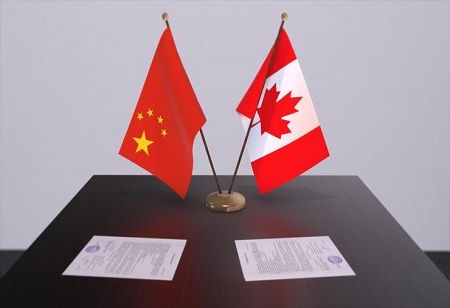
- Canada unveiled landmark trade agreement with China reducing electric vehicle tariffs significantly for consumers nationwide.
- Deal boosts Canadian farm exports as China lowers duties on canola seafood peas agricultural products.
- Agreement aims to strengthen bilateral relations while balancing domestic industry concerns and global trade dynamics.
Canada has made an important trade agreement with China that changes economic terms of trade for both countries. During his visit to China, Canadian Prime Minister Mark Carney has signed an initial trade agreement that has been called an important milestone in trade between these two countries.
This trade agreement took place during the first visit of the Canadian prime minister to China in the past decade. This shows that Canada has been focusing on trade changes due to variations in the economic environments of countries.
At the core of this agreement is a very significant removal of trade tariffs for Chinese electric cars. The government of Canada has agreed to guarantee a quota for a maximum of 49,000 units of Chinese electric cars annually at a very low rate of just 6.1%, a far cry from the former rate of 100%. It can be expected that this quota will increase annually in the short term.
Also read: China Launches Digital IDs for EV Battery Traceability
In return, China has committed to cutting tariffs on Canadian agricultural exports to Canada, a huge boost to agriculture in Canada.
This is in terms of a reduction in tariffs on canola seed to 15%, from 84%, by March, and tariffs on meals derived from canola, lobsters, crabs, and peas to be removed on a temporary basis to increase exports to Canada by almost $3 billion. This assists in opening markets those were limited due to previous trade disputes over tariffs.
This foreign accord has also elicited both support and criticism on the Canadian side. On the one hand, the arrangement could serve as a new avenue for economic expansion, while on the other; it could also have detrimental effects on the Canadian automotive industry and relations with the U.S.A.
Despite this, the accord marks a substantial move for the reset of the Canada-China economic relationship and adjustment to the new global architectural landscape.