

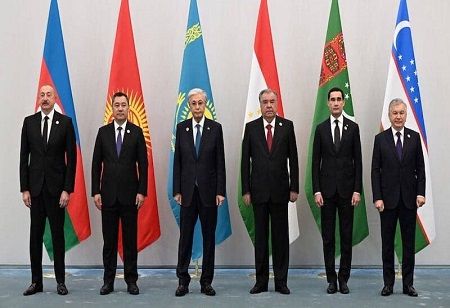
- Azerbaijan and Central Asian nations are advancing new geoeconomic cooperation framework beyond traditional bilateral economic ties.
- Focus includes transport corridors synchronization, infrastructure upgrades, and strengthening supply chains across Eurasian regional trade networks.
- Initiative positions Azerbaijan as logistics hub, boosting investments, industrial cooperation, and long-term regional economic integration efforts.
Azerbaijan together with multiple Central Asian countries is developing a modern geoeconomic partnership model which establishes itself as the main engine for their regional economic growth. Azerbaijan has transformed into a strategic transportation center which connects Eastern and Western markets according to Ilham Aliyev who frequently emphasizes this development.
The new framework shows how regional priorities have changed because countries now work together to build better economic ties through improved trade connections between their nations.
The countries in this area are implementing plans to coordinate their transport routes while they work to make trade operations more efficient by removing existing infrastructure limitations.
Kazakhstan is advancing its infrastructure development through its major infrastructure initiatives which include its Aktau and Kuryk port upgrades and its railway network expansion and its new road construction projects which improve operational efficiency.
The Trans-Caspian International Transport Route serves as the primary foundation of the new transportation system which needs extensive funding to compete with existing Eurasian trade routes.
Also read: Tesla Seeks Taiwan Chip Engineers for Terafab Project
Azerbaijan is evolving from its basic role as a transit nation into an active participant in regional supply chains through its new port facilities and enhanced railway connections and digital logistics infrastructure.
Regional cooperation extends beyond its transport partnerships in order to establish energy industrial development and technological exchange partnerships. Countries are focused on three objectives which include developing new export routes and establishing stable supply chains and creating joint production projects to decrease their dependence on raw material exports.
The growing importance of humanitarian and media cooperation activities serves to build stronger connections between the regions.
The current cooperation model which is developing between countries in the region creates an economic framework that establishes the region as a developing Eurasian economic center which will increase its power to shape international trading systems.