

Synopsis: US President Donald Trump says a peace agreement with Iran is close and could lead to the reopening of the Strait of Hormuz, although Tehran indicates that key issues remain under review.
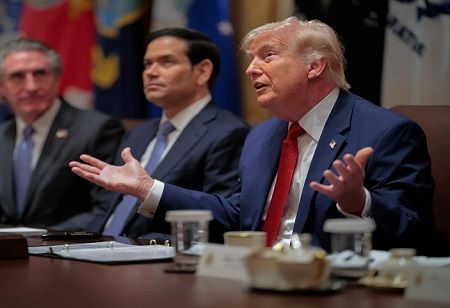
US President Donald Trump has indicated that the United States and Iran are nearing a potential agreement that could ease months of conflict and pave the way for the reopening of the strategically vital Strait of Hormuz. Speaking from the White House, Trump expressed confidence that a “great settlement” could be finalized soon, possibly within days, and suggested that a formal signing ceremony may take place in Europe.
According to Trump, the proposed agreement is centered on preventing Iran from acquiring nuclear weapons while restoring stability to the Gulf region. He stated that the reopening of the Strait of Hormuz would be a key outcome of the settlement, helping normalize global energy flows and reduce pressure on international oil markets.
The announcement follows a period of heightened tensions in which the United States and Iran exchanged military actions across the region. Earlier this week, Trump threatened major strikes against Iran and warned of potential action against the country’s energy infrastructure. However, he later called off planned military operations, citing progress in negotiations and optimism surrounding a potential breakthrough.
Also Read: UK Launches Green Finance Push for Vietnam Energy
Despite the optimism from Washington, Iranian officials have taken a more cautious stance. Tehran has acknowledged that negotiations are ongoing but maintains that no final decision has been reached. Iranian representatives have indicated that while significant portions of a draft agreement have been completed, several critical issues remain under review by the country's decision-making bodies.
The future of the Strait of Hormuz remains a central element of the negotiations. The waterway, through which a significant share of global oil and liquefied natural gas shipments normally passes, has been at the center of the crisis. Any reopening would be closely watched by energy markets and governments worldwide given its importance to global trade and energy security.
Financial markets have responded positively to signs of de-escalation. Oil prices declined after reports that planned US strikes had been canceled and hopes of a diplomatic resolution increased. Investors view a potential agreement as a step toward reducing geopolitical risks and restoring stability in the Gulf region.
While substantial progress appears to have been made, uncertainty remains until both sides formally approve the agreement. The coming days are expected to be critical in determining whether the negotiations culminate in a lasting settlement or face further delays.