

- Iran and Belarus strengthen cooperation in agriculture, forestry, and industry.
- Nations plan joint production of potash fertilizer and agricultural machinery.
- Leaders highlight complementary economies and aim for deeper bilateral collaboration.
Iran’s agriculture minister and Belarus’ industry minister reached an agreement to enhance collaboration in agriculture, forestry, veterinary services, and quarantine for plants and animals, committing to co-develop agricultural machinery and potash fertilizer, according to the Agriculture Ministry.
The ministry stated that both parties agreed for Iran to provide some of Belarus’ food requirements, while Minsk will send agricultural raw materials needed by Tehran. Agriculture Minister Gholamreza Nouri Ghezeljeh and Belarusian Industry Minister Andrei Kuznetsov characterized the agreements as a tangible move towards enhanced economic collaboration, referencing the complementary advantages of both nations.
Iran also indicated its willingness to assist in the transit of Belarusian agricultural goods to different markets. A significant result of the meeting was a consensus to initiate collaborative production of potash fertilizer in Iran. According to the plan, Belarus will provide a segment of the potassium raw materials, while segments of the processing chain will occur locally.
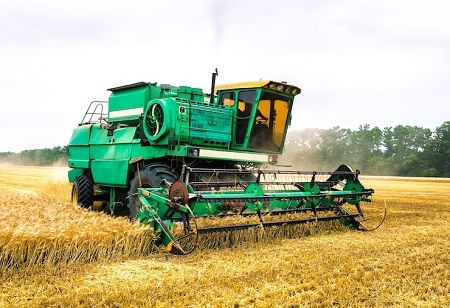
The parties also consented to seek the supply and collaborative production of substantial agricultural machinery, encompassing tractors, combines, trucks, and heavy-load transporters, in partnership with Iranian companies such as Iran Tractor Manufacturing Company. Authorities indicated that the programs are anticipated to enhance food security and promote agricultural growth in both nations.
In a subsequent meeting with Kuznetsov, Iran’s first vice president stated that there are no limits on deepening relations with Belarus, emphasizing what he described as the complementary aspects of both economies and their ability to fulfill each other’s requirements, according to the presidential office's announcement.
Also Read: Kazakhstan Expands High-Tech Nuclear Fuel Manufacturing Capacity
Mohammadreza Aref stated that enhancing collaboration in multiple sectors is a strategic priority for Tehran due to the robust political ties between the two nations. He mentioned that the successful completion of the eighteenth session of the Joint Economic Committee has generated new momentum for expanding bilateral interaction.
Aref highlighted that Iran and Belarus hold similar stances in global venues and collaborate within various regional organizations, contending that these connections necessitate ongoing efforts to enhance and broaden their partnership. He advocated for increased trade and economic interactions via a strengthened joint committee framework.