

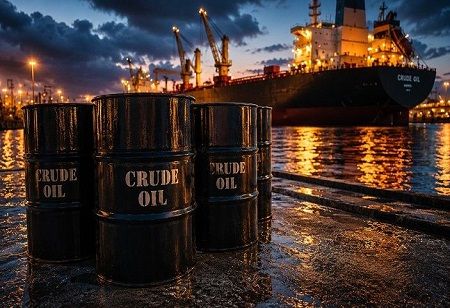
Synopsis: Indonesia is increasing oil imports from Nigeria to diversify energy supplies and reduce risks linked to escalating geopolitical tensions and shipping disruptions in West Asia.
Indonesia is increasing crude oil imports from Nigeria as escalating tensions in West Asia disrupt traditional energy supply routes and raise concerns over global fuel security. The move reflects Jakarta’s broader strategy to diversify energy sourcing and reduce dependence on suppliers operating near conflict-prone maritime regions such as the Strait of Hormuz.
According to reports, Indonesia’s state-owned energy company Pertamina has started exploring additional procurement agreements with Nigerian suppliers to secure stable crude supplies amid growing uncertainty in global oil markets. Officials are reportedly seeking alternative trade partnerships as shipping risks and insurance costs continue to rise due to geopolitical instability in West Asia.
Nigeria, one of Africa’s largest crude oil producers, has emerged as an attractive alternative supplier because of its established export infrastructure and production capacity. Analysts noted that African crude grades are becoming increasingly important for Asian economies attempting to diversify import portfolios and mitigate risks linked to disruptions in the Middle East.
Also Read: Saudi Arabia Boosts Mining, Energy Ties with US, Japan
The shift comes at a time when global crude oil prices remain volatile following continued military tensions and shipping disruptions across West Asia. Several countries heavily dependent on imported energy are reassessing procurement strategies, building strategic reserves, and diversifying supply chains to minimise exposure to geopolitical shocks.
Indonesia imports a significant portion of its crude oil and refined fuel requirements to meet domestic demand. Energy experts believe securing alternative suppliers could help the country manage inflationary pressures and stabilise fuel availability if disruptions in Gulf shipping routes intensify further.
The development also highlights broader shifts underway in the global energy market, where countries are increasingly prioritising supply diversification, energy security, and geopolitical risk management amid rising uncertainty in international trade and energy logistics.