

Canada and Turkiye are expected to sign a joint declaration covering defence, energy, trade and diplomacy during Mark Carney’s visit, with potential cooperation in nuclear power, LNG, drones and naval systems.
Canada and Turkiye are expected to sign a joint declaration to strengthen bilateral cooperation in defence, energy, trade and diplomatic relations during Canadian Prime Minister Mark Carney’s visit from October 21 to 24, 2026. The proposed declaration is expected to establish committees across four areas to develop action plans and identify opportunities for closer collaboration.
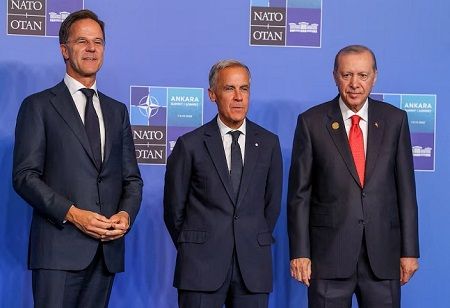
Carney is scheduled to meet Turkish President Recep Tayyip Erdogan in Ankara on October 22 before meeting business leaders in Istanbul on October 23. The visit will be the first dedicated bilateral visit to Turkiye by a Canadian prime minister. Canadian Foreign Minister Anita Anand and Energy Minister Tim Hodgson are expected to accompany him.
Also Read: How India Can Play a Pivotal Role in Pushing Global Hydrogen Revolution
Economic cooperation is a major focus of the visit, with both countries seeking to advance negotiations towards a comprehensive free trade agreement. Discussions with Turkish businesses are expected to cover investment and commercial opportunities in aerospace, advanced technologies, energy, mining, critical minerals and agriculture.
Energy is likely to be a key component of the proposed partnership. Discussions may include potential Turkish purchases of Canadian liquefied natural gas (LNG), critical minerals and nuclear energy cooperation. A working group is expected to examine the feasibility of a proposal by Canadian nuclear technology provider CANDU to build a planned nuclear power plant on Turkiye’s Black Sea coast. Turkiye is also considering proposals from other international companies for its future nuclear power projects.
Defence cooperation is another priority, with discussions expected to cover drone technology, naval systems and broader defence-industry collaboration. Canada removed certain weapons-export controls on Turkiye in 2024, including restrictions affecting optical technology used in Turkish drones.
The visit comes as Canada seeks to diversify its international trade relationships and strengthen partnerships with countries beyond the United States. Bilateral merchandise trade between Canada and Turkiye reached 4.3 billion Canadian dollars in 2025, according to the Canadian government, providing a foundation for further economic engagement.
Also Read: Why Asian Economies are Consuming More of What They Produce
Although the proposed declaration could create a framework for long-term cooperation, major defence or energy agreements are not expected to materialise immediately. The next steps will depend on the committees’ work, commercial negotiations and the feasibility of individual projects.