

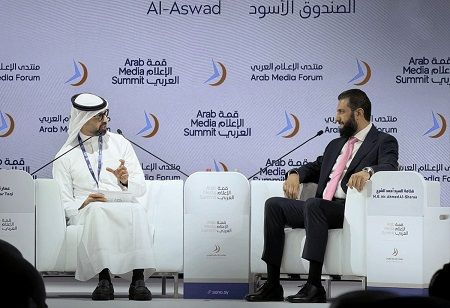
Syria’s President Ahmed al-Sharaa targets a $200 billion economy through structural reforms, stronger regional trade ties, investment and reconstruction efforts aimed at accelerating the country’s economic recovery.
Syria is pursuing an ambitious economic recovery strategy under President Ahmed al-Sharaa, with the government targeting a long-term expansion of the economy to around $200 billion. The strategy focuses on structural reforms, investment, reconstruction and stronger integration with regional markets as Damascus seeks to rebuild after years of conflict.
The government is working to create a more investment-friendly environment by improving economic legislation, attracting foreign capital and strengthening ties with regional and international partners. Syria is increasingly looking to Gulf countries, particularly Saudi Arabia, Qatar and the UAE, to support major reconstruction and infrastructure projects.
Also read: Korea, Turkmenistan Sign 13 Deals Across Energy, and Security
The economic agenda also seeks to restore Syria’s role as a regional trade and transport hub. Its geographical position provides potential links between the Gulf, Türkiye, the Mediterranean and wider regional markets. Recent discussions and agreements involving ports, freight connectivity, aviation, telecommunications and infrastructure indicate growing interest in rebuilding these economic corridors.
Al-Sharaa’s government is also pursuing opportunities across energy, agriculture, manufacturing, logistics, tourism and digital infrastructure. Earlier engagement with German companies, for instance, covers sectors including energy, finance, construction, healthcare, security, digital transformation and logistics, highlighting the breadth of investment opportunities being explored.
The economic opening follows the easing of major international sanctions, which allows Syria to pursue broader trade and investment relationships. However, the country continues to face significant challenges, including damaged infrastructure, weak purchasing power, limited skilled labour, currency instability and institutional constraints. Reconstruction requirements remain substantial, with international estimates placing the cost of rebuilding the country’s damaged physical assets in the hundreds of billions of dollars.
Also read: How AI Agents are reinventing the Factory Floor
Despite these obstacles, Damascus is positioning economic reform and regional integration as central pillars of its recovery strategy. The government’s ability to strengthen institutions, improve the investment climate and convert investment commitments into productive projects is expected to determine whether Syria can move from post-war reconstruction toward sustained economic growth.