
- S. Korea, Netherlands deepen semiconductor & quantum ties.
- Focus on joint R&D, supply chain security, talent exchange.
- Leverages ASML expertise, Samsung/SK hynix strengths.
South Korea and the Netherlands have decided to significantly increase their bilateral cooperation in semiconductors and quantum technologies, which is a strategic move to strengthen their positions in critical high, tech sectors. The agreement was made during a top, level meeting of the two countries, where they discussed joint research, supply chain resilience, and innovation in advanced chip manufacturing and quantum computing."
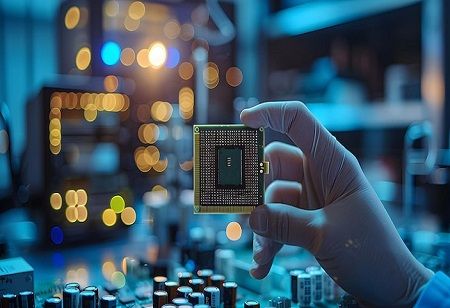
The agreement also covers the semiconductor industry. The Netherlands, where ASML is located, a company that is the world's leading supplier of extreme ultraviolet (EUV) lithography machines, has a pivotal role in global semiconductor production. South Korea, a giant in memory chips through Samsung and SK hynix, intends to use Dutch knowledge to develop the latest chip technologies and eliminate the weaknesses of the global supply chain.
Key areas of collaboration are the co, development of advanced semiconductor processes, talent exchange programs, joint R&D projects, and shared investments in quantum technologies. Amid increasing geopolitical tensions and technological rivalry, both countries agreed on the necessity of safe and diverse supply chains. The agreement further entails plans for training programs and academic exchanges as a way of workforce development to create a pool of skilled talent in these fields.
Also Read: Korea, Malaysia Discuss Expanding Trade, Industry Ties
Officials pointed out that the partnership is in line with overarching objectives of economic security and technological sovereignty. South Koreas strategy is to strengthen its position as a leader in memory and logic chips while the Netherlands aims at sustaining its monopoly in semiconductor equipment in the face of global demand for smaller, faster, and more efficient chips.
This deeper collaboration is anticipated to boost the development of AI, enabling hardware, quantum sensors, and secure communication systems that will bring prosperity to both economies and help establish a more resilient global technological ecosystem. The decision illustrates the tendency of friendly nations to work together on strategic technologies while catering to the common challenges in semiconductor and quantum sectors.