

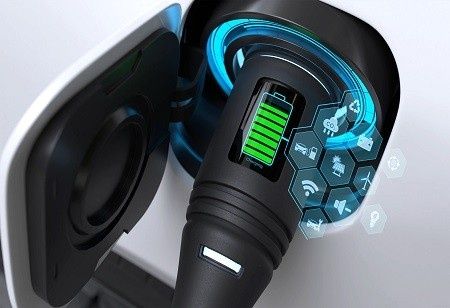
- Samsung SDI and KG Mobility team up to develop cylindrical battery packs for electric vehicles
- Both companies will jointly test and research battery performance and safety
- Samsung’s 46-series cylindrical batteries offer longer range, faster charging, and durability for next-gen EVs
Samsung SDI and KG Mobility have established a strategic collaboration to develop cylindrical batteries for future electric vehicles. Together, the companies are working together to gain a competitive position in the rapidly growing Electric Vehicle Market.
Pulse reports that recently, the two companies formalized their partnership by signing an agreement in Seoul outlining their efforts to develop innovative battery technologies.
Although this partnership is more than a simple supply relationship, Samsung SDI and KG Mobility will work together as strategic partners to jointly design and test cutting-edge battery packs using Samsung SDI’s 46mm cylindrical battery cells.
The companies will also assess the performance and safety of their batteries to make sure they are compatible with the requirements for next-generation electric vehicles.
Also Read: Kazakh Capital Unveils Transport and Infrastructure Upgrades
KG Mobility will use the new battery packs that have been developed in partnership with Samsung SDI in KG's future electric vehicles. In addition to developing these packs, Samsung SDI and KG Mobility will also work together long-term in order to share knowledge of the global market trends related to batteries and to continue research efforts to keep pace with the ever-changing developments surrounding electric vehicles.
The partnership centers on the Samsung SDI 46 series of cylindrical rechargeable batteries, designed to have high energy density for longer driving distance between charge ups and for charging faster when compared to standard electric vehicle batteries. Samsung SDI's 46 series of cylindrical batteries utilize advanced materials (Ni, Co, Al, Si-C), which improve longevity and performance.
Samsung SDI is now focusing its efforts on expanding its portfolio of cylindrical rechargeable batteries because of the increased worldwide demand for cost-effective, high-performance rechargeable batteries.