

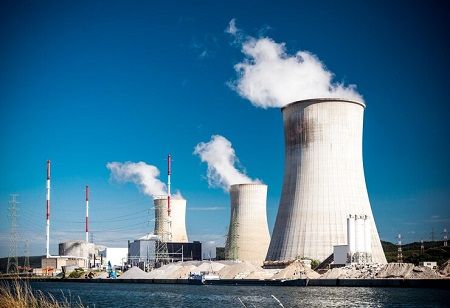
- Japan withdraws from Vietnam’s Ninh Thuan 2 nuclear power project.
- Vietnam faces rising power demand amid industrial growth, outages, and severe weather.
- Nuclear project delays may affect Vietnam’s electricity generation and energy plans.
Japan has withdrawn from plans to construct a significant nuclear power facility in Vietnam due to the tight schedule, stated Japanese ambassador Naoki Ito, which could complicate Vietnam's strategy for preventing future power shortages.
Vietnam, which hosts significant manufacturing facilities for global companies such as Samsung and Apple, has encountered substantial power outages as the demand from its vast industrial sector and growing middle class frequently surpasses supply, increasingly pressured by more frequent severe weather events, including droughts and typhoons.
"The Japanese side is not in a position to implement the Ninh Thuan 2 project," stated the ambassador to Vietnam, indicating a facility with a projected capacity of 2 to 3.2 gigawatts. The initiative is a component of Vietnam's plan to enhance electricity production capability.
According to the government's roadmap, Ninh Thuan 2 is set to go online by 2035, concurrently with Ninh Thuan 1, which has equivalent capacity. Vietnam aims to boost electricity generation from various sources, primarily renewables and gas, but projects have encountered delays and uncertainties related to regulations and pricing.
Also Read: Kazakhstan Expands High-Tech Nuclear Fuel Manufacturing Capacity
Construction on the two nuclear plants in central Vietnam began in the early 2010s but was stopped in 2016 when Hanoi halted its nuclear energy program due to safety and financial issues. Russia was granted the Ninh Thuan 1 project, while Japan received the second plant.
Following the restart of its nuclear energy program last year, Vietnam requested Japan and Russia to carry out the projects, Ito stated, but after discussions with Vietnamese officials, Japan resolved in November to withdraw as the completion deadline was too imminent.