

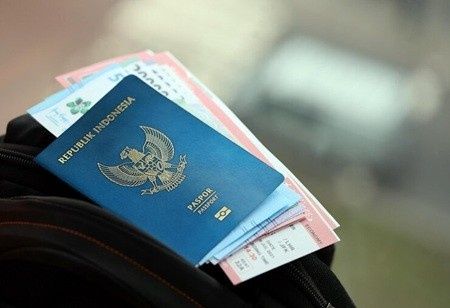
- Indonesia’s GCI offers lifetime stay permits but not citizenship or political rights
- Diaspora groups say it doesn’t solve dual citizenship or property/work limits
- Advocates call for legal backing in citizenship law for real impact
The Global Citizenship of Indonesia program which Indonesia launched recently has received both mixed reactions and critical feedback from diaspora communities and mixed-marriage advocacy groups.
The program which aims to establish better relations with Indonesian people living abroad will begin its operations next week by providing permanent residency to Indonesian citizens who have lost their citizenship rights and their descendants.
The critics of the system believe that the system will become a decorative element which brings no actual progress to solving the existing issues about citizenship rights.
The GCI program follows the basic structure of India’s Overseas Citizenship of India system yet it does not provide Indonesian citizenship restoration which diaspora members’ demand.
Nuning Hallett who serves as Executive Director of the Indonesian Diaspora Network-United IDN-U told that Indonesia still forbids adult dual citizenship which creates major decision-making problems for its citizens.
She reported that approximately 28 percent of Indonesians living overseas can become citizens of other nations but they will lose all their Indonesian legal rights once they obtain foreign citizenship.
Also Read: Indonesia, UK Chambers Boost Bilateral Trade Ties
The former citizens who want to return face major obstacles to their repatriation efforts. The regulations treat them as foreign investors who cannot acquire freehold property and must follow foreign worker rules.
The regulations restrict property ownership to short-term usage rights which require property sales within a year and create difficulties for people who want to settle down permanently.
Since the early 2000s Indonesia has debated the issue of dual citizenship specifically for children who come from mixed marriage backgrounds.
The 2006 agreement permits partial dual citizenship until the age of 21 which requires individuals to select one nationality after reaching that age. The policy expansion attempts have failed to achieve progress because the organization continues to lobby for changes.
Hallett claimed that GCI which the immigration regulation established lacks legal authority because it needs to become part of the Citizenship Law to achieve meaningful transformation. She observed that diaspora groups showed little interest in the program because most of them preferred their current visa alternatives.
Rulita Anggraini of PerCa Indonesia expressed the same concerns about the program because it provides easy immigration access but does not solve the main problems which include dual citizenship issues, re-naturalization processes, and employment obstacles that Indonesian descendants encounter.