
- Canada and South Korea signed an MOU to boost cooperation in automotive manufacturing, EVs, and future mobility
- The deal expands collaboration on batteries and critical minerals to support the clean energy transition
- It aims to attract investment, create jobs, and strengthen Canada’s next-generation auto sector
Canada and South Korea established new measures which will enhance their trade relationship and industrial partnerships. The automotive manufacturing industry together with critical minerals sector will benefit from this agreement.
Canada needs to establish new trade relationships because of ongoing global trade conflicts and the negative effects which U.S. tariffs bring to its economic development and workforce expansion and so Ottawa needs to decrease its dependency on American commerce.
Recently, Canada’s Industry Minister Melanie Joly met with counterparts from the Republic of Korea in Ottawa, where the two countries signed a memorandum of understanding (MOU) to enhance industrial collaboration.
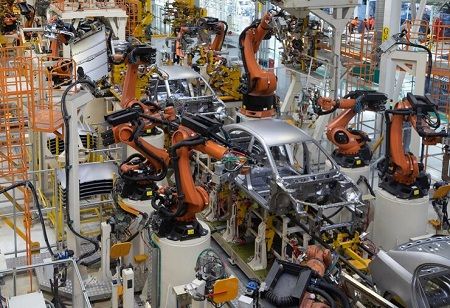
The agreement establishes the Canada-Korea Industrial Cooperation Committee which will develop projects that advance future mobility research. The committee will assess methods to develop Korean automotive manufacturing operations in Canada through potential electric vehicle production investments according to a government announcement.
It identifies artificial intelligence as a strategic sector for cooperation between both parties although the specific investment amounts remained undisclosed.
Also Read: South Korea Sets World's First AI Safety Regulations
The MOU establishes partnerships which extend beyond automotive manufacturing to include all aspects of the Canadian battery value chain from battery production through materials processing and refinement and critical minerals processing and recycling operations.
Canada Budget 2025 designates critical minerals as a top priority because the country possesses substantial nickel and cobalt and graphite and lithium reserves which serve as essential components for batteries and energy storage systems and wind turbines and all other clean energy technologies.
The International Energy Agency projects that demand for such minerals could rise up to six fold by 2040 as the world transitions away from fossil fuels.
The partnership aims to strengthen automotive and critical mineral supply chains while supporting the clean energy transition and enhancing energy security.
Minister Joly stated the agreement enables Canada to become a leader in next-generation automotive manufacturing through its expansion of electric vehicle and hydrogen mobility which will draw high-value investments and generate well-paying Canadian jobs.
The strengthened ties will benefit major South Korean automakers which include Hyundai Motor Group and Kia and Genesis although no specific companies were mentioned.